Consultations
Varicose Vein Consultations
!Enjoy a healthy life!
What are varicose veins? Varicose veins are defined as abnormally dilated, cylinder-shaped superficial veins. There is a treatment that helps eliminate spider veins called sclerotherapy in Tijuana. Sclerotherapy in Tijuana effectively treats varicose and spider veins. It is generally considered the treatment of choice for small varicose veins. Request an evaluation in Tijuana and get your treatment. Because you are the most important.
Thrombosis Consultations, Treatment, and Care
!Enjoy a healthy life!
Deep vein thrombosis occurs when a blood clot (thrombus) forms in one or more deep veins in the body, usually in the legs. Deep vein thrombosis can cause leg pain or swelling, but it can also occur without symptoms. What are the symptoms of thrombosis? Symptoms can vary from person to person. This condition may include the following symptoms: Pain in one leg (usually the calf or inner thigh) Swelling of the leg or arm Chest pain Numbness or weakness on one side of the body Sudden change in mental status Symptoms of thrombosis may resemble those of other blood disorders or health problems. Always consult your healthcare provider for a diagnosis.
Diabetic foot assessment
Enjoy healthy feet!
When to see your doctor If you experience any of these symptoms, do not wait until your next appointment. See your primary care doctor or podiatrist immediately: * Leg pain or cramps in the buttocks, thighs, or calves during physical activity. * Tingling, burning, or pain in your feet. * Loss of touch sensation or the ability to properly feel heat or cold. * A change in the shape of your feet over time. * Hair loss on your toes, feet, and lower legs. * Dry, cracked skin on your feet. * A change in the color and temperature of your feet. * Thickened, yellow toenails. * Fungal infections such as athlete's foot between the toes. * A blister, sore, ulcer, infected corn, or ingrown toenail.
Consultation for Arterial Catheterization
!Enjoy a healthy life!
Why it is performed
Cardiac catheterization is a common procedure used to diagnose or treat various heart problems. For example, your doctor may recommend this procedure if you have irregular heartbeats (arrhythmias), chest pain (angina), or problems with a heart valve, among other conditions.
Cardiac catheterization may be performed during the diagnosis or treatment of:
- Coronary artery disease
- Congenital heart disease
- Heart failure
- Heart valve diseases
- Microvascular heart disease
Consultation for
Diabetic neuropathy
Enjoy healthy feet!
Diabetic neuropathy is a type of nerve damage that can occur if you have diabetes. High blood glucose levels can damage nerves throughout the body. Diabetic neuropathy most often affects the nerves in the legs and feet.
Depending on which nerves are affected, symptoms of diabetic neuropathy include pain and numbness in the legs, feet, and hands. It can also cause problems with the digestive system, urinary tract, blood vessels, and heart. For some people, the symptoms are mild. However, in others, diabetic neuropathy can be quite painful and disabling.
Consultation for
Peripheral neuropathy
!Enjoy a healthy life!
This type of neuropathy may also be called distal symmetric peripheral neuropathy. It is the most common type of diabetic neuropathy. It first affects the feet and legs, followed by the hands and arms. Signs and symptoms of peripheral neuropathy generally worsen at night. They include the following:
Cardiac catheterization may be performed during the diagnosis or treatment of:
- Numbness and reduced ability to feel pain or sense changes in temperature
- Tingling or burning sensation
- Cramps or stabbing pains
- Muscle weakness
- Extreme sensitivity to touch (for some people, even contact with the sheets can be painful)
- Serious foot problems, such as ulcers, infections, and damage to the bones and joints
Consultation for Leg Lymphedema
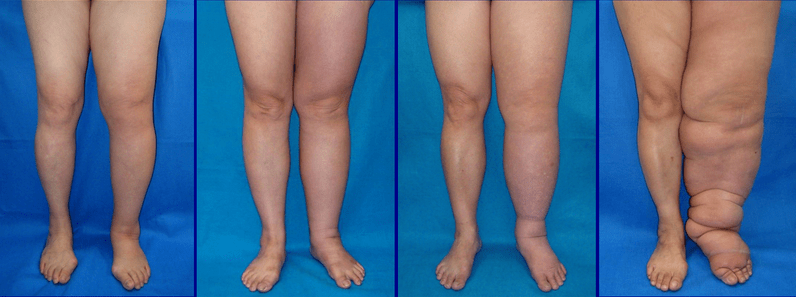
Lymphedema is swelling in an arm or leg. In exceptional circumstances, it affects both arms or both legs. It can also affect the chest wall and abdomen.
When you should see a doctor
Make a medical appointment with your doctor if you notice persistent swelling in your arms or legs. If you have already been diagnosed with lymphedema, see your doctor if there is a sudden and significant increase in the size of the affected limb.
Symptoms
Signs and symptoms of lymphedema include the following:
- Swelling of all or part of the arm or leg, including the toes and fingers
- A feeling of heaviness or tightness
- Limited range of motion
- Recurrent infections
- Hardening and thickening of the skin (fibrosis)
Cardiovascular diseases are the third leading cause of death in Mexico.
Among the most common conditions are chronic venous disease, known as varicose veins, varicose ulcers, deep vein thrombosis, chronic arterial insufficiency, acute arterial insufficiency, and diabetic foot.